Axial flow fan and blower About
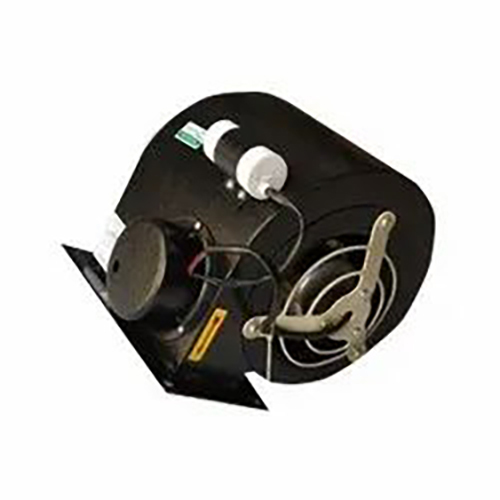
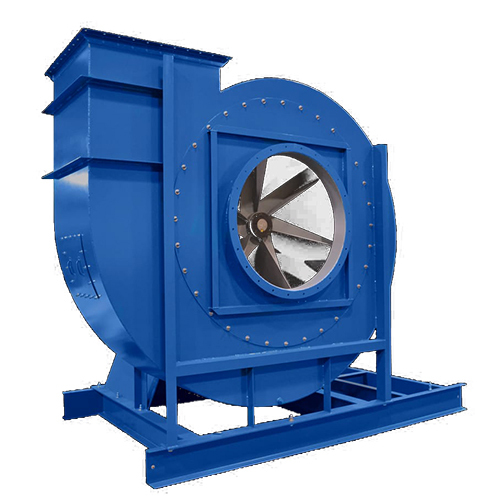
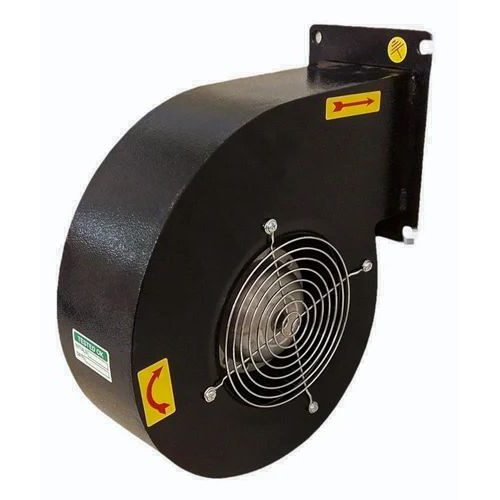
Axial flow fan and an axial flow blower both move air parallel to the axis of the rotating blades, but they are designed for different pressure and airflow requirements.
Feature
- Axial Flow Fan
- Axial Flow Blower
- Airflow direction
- Parallel to the shaft
- Parallel to the shaft
- Pressure developed
Low
- Higher than an axial fan
- Airflow volume
High
- Moderate to high
- Blade design
- Simpler, fewer blades
- More aerodynamic blades with guide vanes in some designs
Power consumption
Typical applications
- Room ventilation, cooling towers, HVAC, condenser cooling
- Combustion air supply, industrial ventilation, drying systems, air handling units
Key differences
- Axial flow fan: Best when a large volume of air needs to be moved against low resistance.
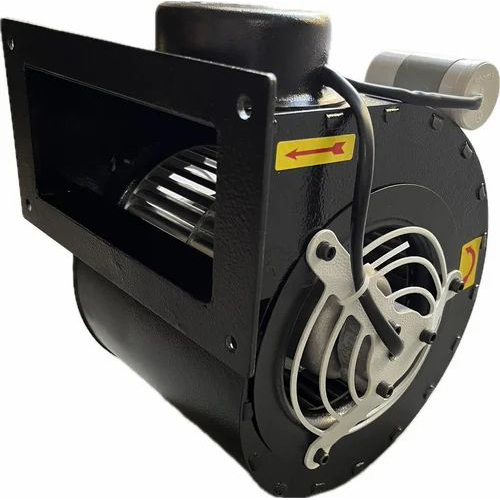
- Axial flow blower: Designed to deliver air at a higher pressure than an axial fan, allowing it to overcome greater system resistance while still maintaining axial airflow.
Examples
- Axial flow fan: Ceiling fan, exhaust fan, radiator cooling fan.
- Axial flow blower: Industrial air supply systems, furnace combustion air, tunnel ventilation systems.
Superior Frame and Blade Construction
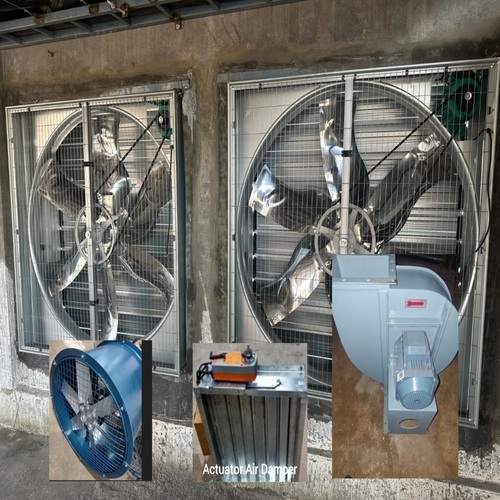
Featuring galvanized steel or mild steel frames finished with powder coating or paint, these axial flow fans offer excellent resistance to corrosion and wear. The blades, crafted from either aluminum or steel, ensure durability and consistent performance in harsh industrial and commercial settings, prolonging operational life.
Powerful and Versatile Motor Options
Equipped with TEFC motors rated at IP54 or IP55, our fans accommodate single and three-phase power supplies and operate at voltages of 220V, 380V, or 415V. With power options ranging from 0.75 kW to 7.5 kW, the fans efficiently meet diverse air volume and pressure requirements, catering to various installation needs.
Flexible Installation and Integration
Available in wall-mounted or duct-mounted configurations, these fans are suitable for a range of layouts. Optional actuator air damper integration enables precise airflow control. Mounting accessories can be provided upon request, ensuring ease of installation in both new and existing infrastructure.
FAQ's of Axial flow fan and blower:
Q: How do I select the right axial flow fan model for my industrial application?
A: To choose the appropriate axial flow fan, consider factors such as required air volume (12,000 - 70,000 m3/h), pressure (100 - 300 Pa), installation type (wall or duct mounted), and power supply (single or three-phase). Consult with our team for tailored recommendations based on your facility's specific ventilation needs.
Q: What are the benefits of using a TEFC (Totally Enclosed Fan Cooled) motor in this fan?
A: The TEFC motor design protects against dust, humidity, and other environmental hazards, ensuring enhanced operational reliability and longer service life. This makes our fans particularly suitable for challenging industrial and warehouse environments.
Q: Where can these axial flow fans be installed?
A: Our axial flow fans are versatile and can be installed in industrial buildings, warehouses, and commercial spaces. They support both wall mounting and duct mounting, providing flexibility to match various layouts and airflow requirements.
Q: How does the actuator air damper option improve fan performance?
A: Integrating an actuator air damper enables automated control over airflow, ensuring precise ventilation according to real-time demand. This enhances energy efficiency and air quality management across your facility.
Q: What is the operating temperature range for these fans?
A: These fans are engineered to operate reliably in environments ranging from -10C to 60C, making them suitable for most industrial, warehouse, and commercial ventilation applications.
Q: What maintenance is required for these fans?
A: Routine inspection, cleaning of blades, and periodic checks on motor performance and electrical connections are recommended. The powder-coated and painted finishes, as well as durable frame and blade materials, keep maintenance requirements minimal.






 Send Inquiry


 Send Inquiry
