Industrial insulated ducting with ducting velocity, temperature, humidity,co2 sensor About
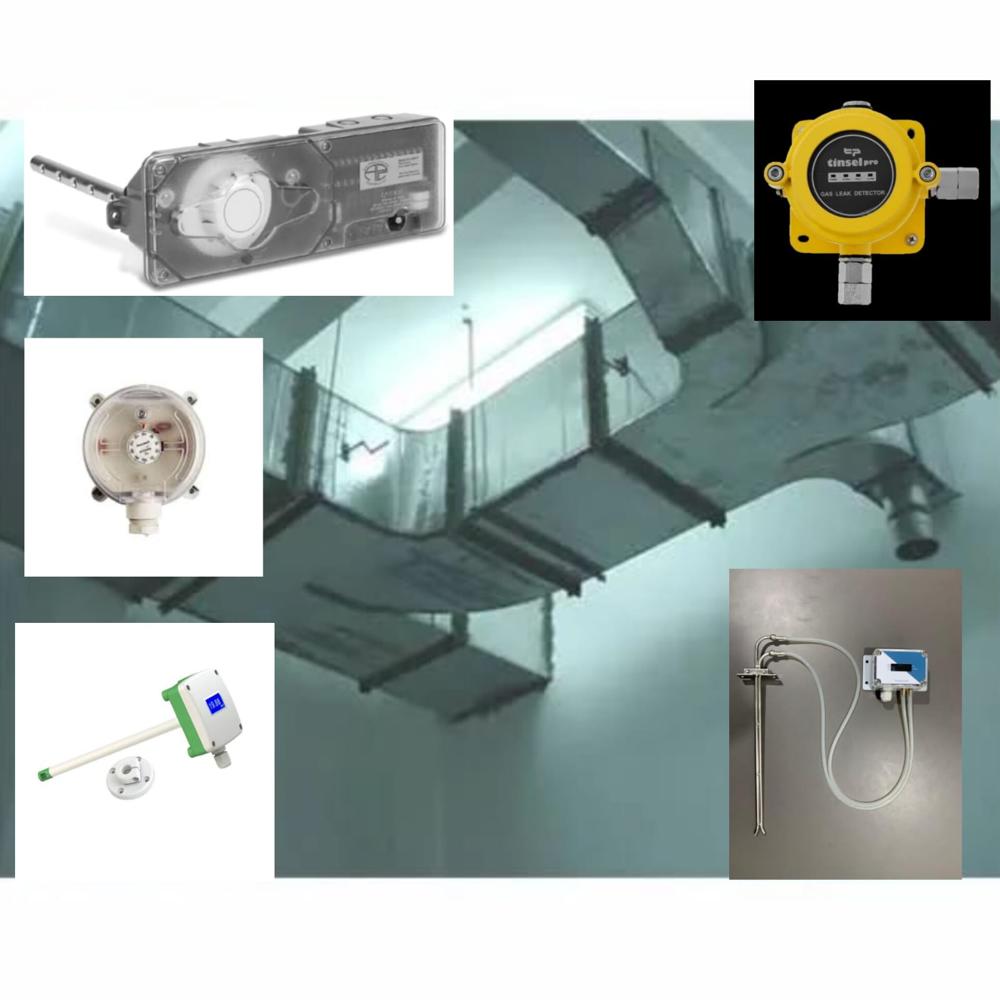
Industrial insulated ducting system with integrated air quality and flow monitoring, a typical arrangement includes the duct, insulation, airflow measurement, and environmental sensors connected to a Building Management System (BMS) or PLC.
Typical System Configuration
AHU/Fan
Insulated GI / SS Duct
- Air Velocity Sensor
- Temperature Sensor
- Relative Humidity Sensor
- CO Sensor
- Supply Air to Process / Room
- Recommended Components
- Component
- Purpose
- Typical Range
- Insulated duct
- Reduces heat gain/loss and condensation
- 2550 mm insulation (PUF, Rockwool, or Glass Wool)
- Air velocity sensor
- Measures airflow speed: 020 m/s
- Temperature sensor
- Measures supply/return air temperature : -20 to 80C
- Relative humidity sensor: CO sensor
- Measures moisture content: 0100% RH
- Monitors indoor air quality and ventilation: 02,000 ppm or 05,000 ppm
Precision Sensing for Effective Environmental Control
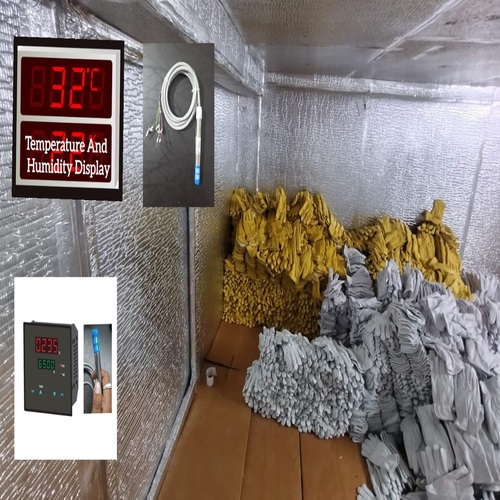
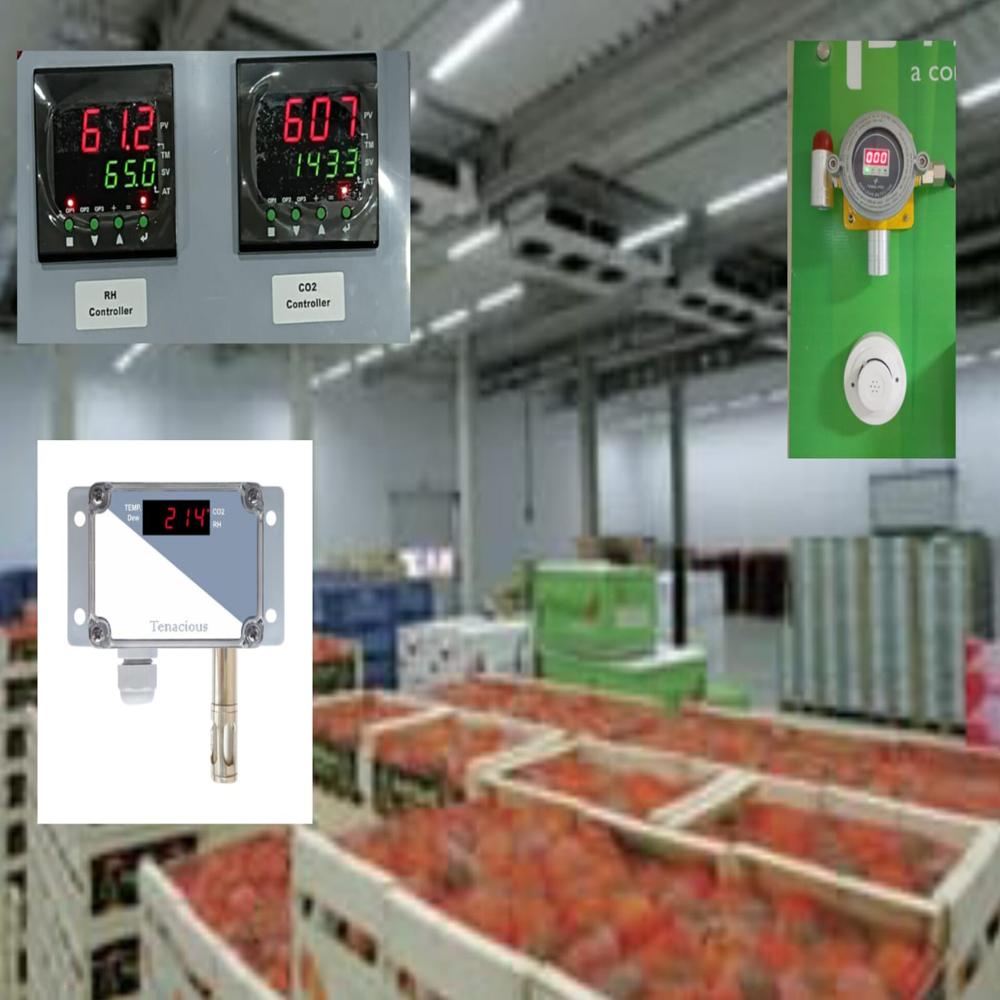
Integrated sensors deliver accurate real-time data on airflow, temperature, humidity, CO2, and pressure, ensuring optimal indoor air quality and process stability. With selectable sensor ranges and digital/analog outputs, the system provides seamless feedback and monitoring for HVAC and process automation.
Reliable Construction with Superior Insulation
Designed for demanding industrial and laboratory environments, the ducting is built from galvanized steel or aluminum, with optional stainless steel interiors for corrosion resistance. Insulation choices range from PUF to glasswool and rockwool, all FM/UL certified for fire safety and exceptional thermal performance.
Simple Integration, Maintenance, and Monitoring
The system is designed for easy installation with ceiling-suspended mounting and vibration isolators. Inspection doors allow convenient access for cleaning and maintenance. BMS compatibility ensures straightforward integration and control, while low noise and leak-proof construction make it suitable for sensitive applications.
FAQ's of Industrial insulated ducting with ducting velocity, temperature, humidity,co2 sensor:
Q: How can industrial insulated ducting with integrated sensors benefit cleanroom or laboratory HVAC systems?
A: This ducting ensures precise monitoring and control of air velocity, temperature, humidity, pressure, and CO2, which is crucial for maintaining strict indoor air quality standards in cleanrooms and laboratories. Real-time sensor feedback helps sustain critical parameters, optimizing safety and productivity.
Q: What process is involved in installing the ducting system and connecting to building management systems (BMS)?
A: The system is installed using a ceiling-suspended mounting with vibration isolators. All sensors offer digital/analog outputs (e.g., Modbus RTU, RS485, 4-20mA, 0-10V), enabling easy integration with new or existing BMS for automated monitoring and control.
Q: Where is this insulated ducting typically used?
A: It is ideal for environments where air quality, temperature, and humidity control are essential-such as cleanrooms, pharmaceutical labs, commercial buildings, industrial plants, and data centers requiring robust HVAC infrastructure.
Q: What makes the ducting reliable for filter and air quality monitoring?
A: Equipped with a high-precision differential pressure sensor (0-2500 Pa) for filter status monitoring, as well as CO2, VOC, refrigerant, and combustible gas sensor compatibility, the ducting offers advanced diagnostic and safety features for continuous air quality assurance.
Q: How does the ducting's insulation and air-tightness improve energy efficiency?
A: FM/UL certified PUF, glasswool, and rockwool insulation minimize thermal losses, while Class C/D air-tightness ensures less than 0.05% air leakage at 1000 Pa. This combination reduces HVAC energy consumption and operational costs.
Q: What is the range of humidity and temperature that the ducting can handle?
A: The system supports adjustable humidity control from 10% to 95% RH and can manage temperatures from -20C to +60C, depending on insulation and coil selection. This versatility suits a wide variety of climate demands.
Q: When should service or maintenance of the ducting and sensors be performed?
A: Routine maintenance is recommended based on operational hours and air quality load. Convenient inspection doors facilitate sensor calibration, cleaning, and internal inspection to maintain optimal system performance and accuracy.






 Send Inquiry


 Send Inquiry
