Gas Detector System About
Gas detector systems
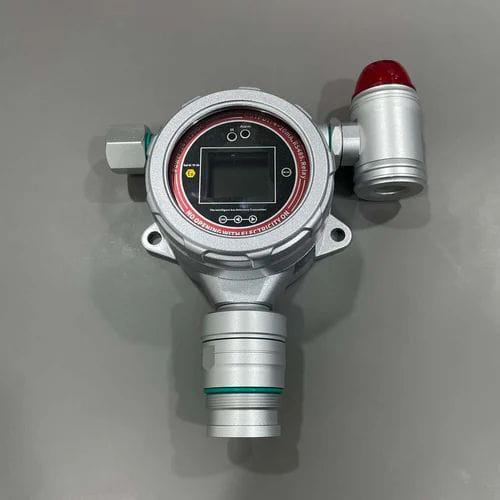
Refrigerant gas leakage transmitter (also called a fixed refrigerant gas sensor transmitter) is a that continuously measures refrigerant gas concentration and sends a signal to a controller or BMS (Building Management System) when a leak is detected.
Output signals
- 4 to 20 mA analog output (most common for PLC/BMS)
- RS-485 Modbus digital communication
- Relay output (alarm contact)
- Sometimes built in buzzer & LED alarm
used
- HVAC plant rooms
- Cold storage / cold rooms
- Chiller plants
- Supermarkets and malls
- Industrial refrigeration systems
- Data centers
Reliable Gas Detection for Safety-Critical Operations
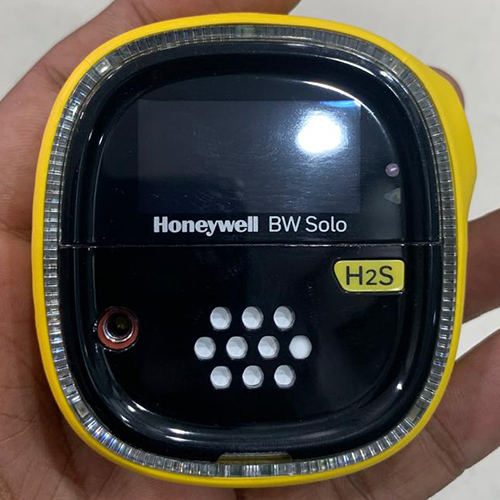
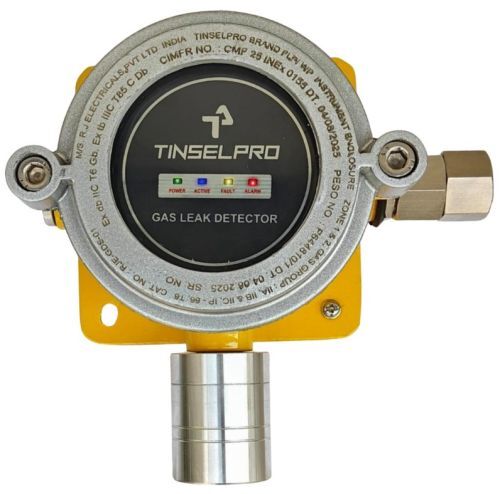
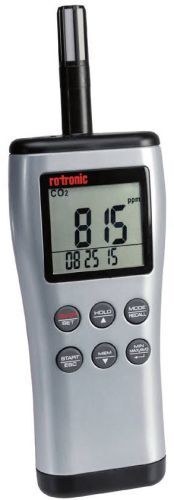
Our fixed gas detector system is designed to offer robust protection against hazardous gas leaks. With a test range of 0-100% LEL and high-precision sensors, it continuously monitors the environment for both flammable and toxic gases. Audible and visual alarms ensure immediate alerting, enhancing workplace safety in factories, chemical plants, and similar settings.
Seamless Integration and Flexible Installation
The wall-mounted design (210mm x 170mm x 85mm) fits easily in different spaces, while RS485 MODBUS communication and 4-20mA analog output facilitate easy integration with building management systems. Mounting accessories are included, supporting smooth installation on walls or pedestals. The detector's ABS plastic shell and IP65 rating provide resistance to dust and water.
User-Friendly Operation and Maintenance
This gas detector operates automatically and features adjustable alarm thresholds to suit varying safety requirements. The service life exceeds two years, minimizing maintenance frequency. Optional data logging enhances compliance and record-keeping, and the system is suitable for use in environments with humidity up to 95% RH (non-condensing).
FAQ's of Gas Detector System:
Q: How is the gas detector system installed and what accessories are included?
A: The system is wall-mounted using the included mounting accessories and can also be placed on a standard pedestal. Installation is straightforward; simply follow the provided guidelines to mount the device securely and connect it to your 230V AC power supply.
Q: What types of gases does this detector identify, and what is its testing range?
A: This detector is engineered for both combustible and toxic gases, utilizing catalytic bead and electrochemical sensors. Its test range spans from 0 to 100% LEL, making it suitable for monitoring a wide array of hazardous gases in air, ensuring comprehensive safety coverage.
Q: When should I use the data logging feature, and how does it benefit my operations?
A: Data logging is optional and can be enabled by connecting an external module. Use this feature when you need to keep detailed records of gas concentration levels for compliance, analysis, or traceability; it enhances performance documentation and incident investigation.
Q: Where can this gas detector system be effectively used?
A: The device is ideal for industrial environments such as factories, chemical plants, refineries, and warehouses in India. Its robust IP65-rated construction shields it from dust and water, ensuring reliable operation even in harsh and humid conditions (0-95% RH, non-condensing).
Q: What output communication interfaces does the detector support?
A: It provides RS485 MODBUS for digital communication and a 4-20mA analog output, allowing easy integration with control and monitoring systems. This ensures real-time data transmission and flexible adaptation to diverse automation setups.
Q: How are alarm thresholds set and what kind of alerts does the system provide?
A: Alarm set points can be adjusted according to your safety requirements. When gas concentrations exceed these thresholds, the detector triggers both audible and visual alarms, enabling rapid response and enhancing occupational safety.
Q: What is the recommended process for routine maintenance and what is the expected service life?
A: Routine maintenance involves regular inspection and calibration according to manufacturer recommendations. The robust sensors and quality shell material provide an expected service life of over two years, meaning only minimal periodic servicing is required.






 Send Inquiry


 Send Inquiry
