Honeywell Portable H2S Gas Detector About
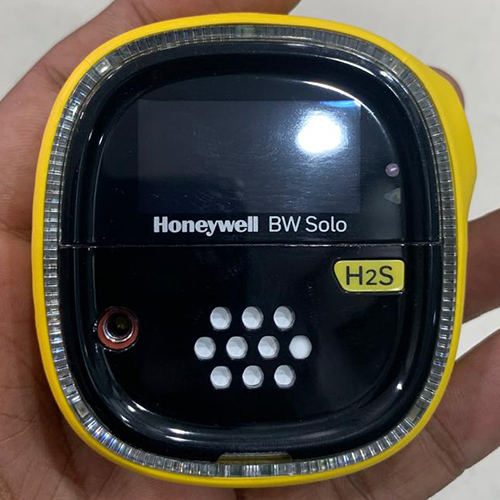
Honeywell portable HS gas detector is a personal safety device used to detect hydrogen sulfide (HS) gas in workplaces like oil & gas plants, sewage systems, chemical factories, and confined spaces.
- Honeywell BW Clip (HS - single gas, disposable type)
- Honeywell BW Clip H2S Single Gas Detector
- A very popular maintenance-free wearable detector.
- Detects: HS only
- Range: typically 0-100 ppm
- Battery life: -2-3 years (no charging needed)
- Alarm: loud audio + vibration + LED
- Usage: worn on belt or pocket clip
- IP rating: IP66/67 (water & dust resistant)
- Best for: daily personal safety in HS risk areas (sewer, refinery, tank work)
Robust Safety and Compliance
Engineered to meet strict EN 60079-0 and EN 60079-11 standards, the Honeywell H2S Gas Detector is tailored for regulatory compliance. It provides trustworthy hydrogen sulfide monitoring in high-risk workplaces, thanks to certified ingress protection (IP66/67) and durable construction. Operators benefit from a device designed with user safety and industry standards in mind.
Intuitive Operation and Maintenance
Designed for ease of use, the detector is portable and features a user-friendly LCD digital display. Both factory and user calibration are supported, allowing rapid on-site adjustments. Thanks to its built-in lithium battery, the device offers up to two years of continuous personal monitoring, minimizing maintenance for busy professionals.
Comprehensive Alert System and Data Logging
Equipped with audible, visual, and vibrating alarms, the device ensures immediate notification in hazardous situations. The event logging capability provides valuable records for safety compliance and incident tracking, making it easy to monitor exposure and improve workplace safety protocols.
FAQ's of Honeywell Portable H2S Gas Detector:
Q: How do I calibrate the Honeywell Portable H2S Gas Detector?
A: Calibration can be performed either at the factory or by the user onsite. Follow the manufacturer's calibration instructions, using certified H2S gas and the device's digital interface for accurate adjustment to ensure reliable readings.
Q: What is the typical battery life, and when should I replace the battery?
A: The built-in lithium battery typically lasts up to two years under normal use. When the device shows low battery warnings or fails to power on, it's time to replace or service the battery according to Honeywell guidelines.
Q: Where should the H2S detector be worn for optimal performance?
A: The detector is designed for personal portable use and should be clipped to your upper body within your breathing zone (such as on your collar or pocket flap) for the most accurate exposure monitoring.
Q: What is the process for viewing logged event data?
A: To access event logs, connect the detector to a compatible data interface or software provided by Honeywell. The logs will detail alarm events, exposures, and device status, supporting safety audits and compliance documentation.
Q: How does the Honeywell detector alert users of dangerous H2S levels?
A: The detector features three alert types: an audible alarm, a high-visibility LED visual alarm, and a vibrating alarm, ensuring prompt awareness of dangerous hydrogen sulfide concentrations even in noisy or low-visibility environments.
Q: What environments and conditions is this device suitable for?
A: The Honeywell H2S Gas Detector operates in conditions from 5% to 95% relative humidity (non-condensing) and is protected with IP66/67 rated casing, making it suitable for harsh industrial environments where reliable continuous monitoring is essential.
Q: What are the main benefits of using this portable single gas detector?
A: Key benefits include real-time continuous H2S monitoring, durable design for industrial workplaces, multi-mode alarms for immediate hazard awareness, long-term maintenance-free operation, and reliable data logging for compliance and analysis.






 Send Inquiry


 Send Inquiry
